














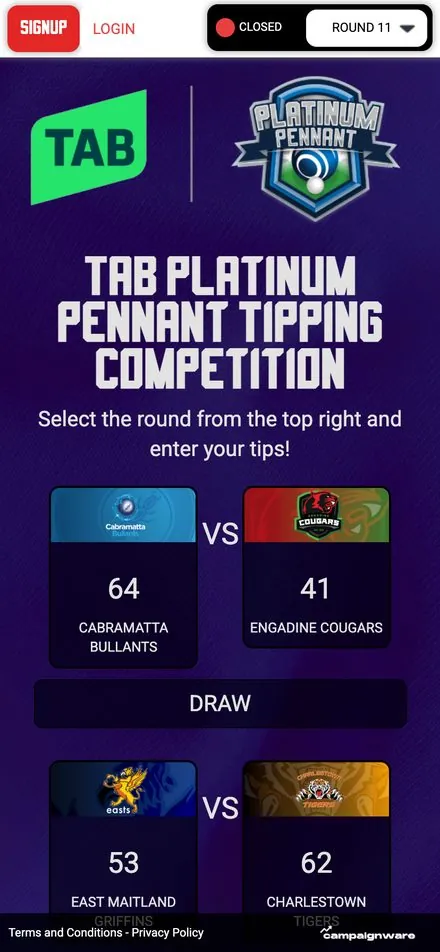




To use a major sporting event to grow your audience, plan campaigns for before, during and after it: predictors before, live votes and trivia during, and player of the match or moment of the match votes after. Each one should capture consented data, so the attention the event creates becomes contacts you can market to once it ends.
This guide is for marketing, brand and sponsorship teams at brands, clubs, broadcasters, publishers and agencies. It works for one-off tournaments such as a World Cup or the Olympics, and for the annual moments that come round every year, such as State of Origin, the Melbourne Cup and finals series.
Key takeaways
- Pick events that match your audience, not just the biggest ones. Annual events can work as well as global tournaments.
- Set one clear objective, such as data capture, brand awareness or a new sponsor asset, and the measures that go with it.
- Plan for the whole event: before, during and after. Most of the value comes from the build-up and the follow-up.
- Make every campaign collect consented data, so you keep the audience when the event is over.
- If you're not an official sponsor, check the event's rules on using its name and branding.
Which sporting events should you build a campaign around?
Start with events that fit your brand and the people you want to reach. Global events such as the Super Bowl, World Cups, the Olympics and Grand Slam tennis bring huge audiences. Annual events such as the Melbourne Cup, State of Origin and finals series give you a moment you can plan for every year and build on each time.
Weigh up the scale of the event, how relevant it is to your industry, and where it happens, so it connects with your audience and your brand message.
| Event | Why it works | Campaign ideas |
|---|---|---|
| World Cups (football, rugby, cricket) | Weeks of matches and national pride | Score predictor, squad predictor, prediction league, player of the match vote. See our World Cup fan engagement ideas |
| State of Origin | A three-match rivalry with strong state loyalty | Moment of the match vote, team selector, halftime trivia. See our State of Origin campaign ideas |
| Melbourne Cup | One day that stops workplaces and homes across Australia | Sweepstakes, trivia, prize draws. See our Melbourne Cup sweep and campaign ideas |
| Finals series and grand finals | Peak attention at the end of the season | Score predictor, MVP vote, fan photo walls |
| Global tournaments such as the Olympics, Grand Slams and the Super Bowl | Global viewership and a diverse audience | Trivia, polls, predictions |

What should your objectives be?
Before you plan anything, decide what success looks like. Clear goals guide your strategy and tell you what to measure.
| Objective | What to measure |
|---|---|
| Brand awareness | Reach, impressions, brand mentions |
| Zero and first-party data capture | New contacts, opt-ins, profile details collected |
| New commercial or sponsor assets | Sponsor impressions, clicks through to the sponsor, leads passed to the sponsor |
| Audience engagement | Entries, completion rates, repeat visits |
| Sales | Conversions, offer redemptions, ticket or product sales |
How do you create an engaging event experience?
To make a lasting impression, give your audience something to do, not just something to watch. Consider these approaches:
- Sponsorship opportunities. Look at sponsorship within the event to raise your visibility, from logo placements and branded merchandise to naming rights for sections or activities.
- Experiential marketing. Design interactive experiences that let people engage with your brand, such as branded quizzes, photo walls, predictors or a branded minigame.
- Influencer collaborations. Work with athletes or influential people who can talk about your brand during the event, to reach a wider audience.
- Content creation. Create articles, videos and social posts around the event, and invite people to share their own photos and videos for a chance to win.
- On-site branding. If you're at the venue, use banners, signage and installations that match the event's theme, and add a QR code so people can take part from their seat.

How do you plan before, during and after the event?
An event is more than the days it runs. A well-rounded strategy covers the full build-up, the event itself and the follow-up.
Before the event: build anticipation
Create buzz through social media, email and targeted ads, with a clear landing page, an incentive to take part and an event hashtag. Prediction campaigns work best at this stage: quizzes, squad predictors and score predictors that fans complete before the first ball is kicked or bowled.
During the event: keep people involved
Keep the excitement going with real-time updates, live streams, behind-the-scenes content and live polls and votes. Halftime trivia and quizzes give people something to do in the breaks.
Influencer or athlete takeovers of your social channels can bring in their followers. Add a competition with data capture, so the engagement turns into leads, and offer a prize that money can't buy, such as a meet and greet.
After the event: turn attention into relationships
Keep talking to the people who took part. Send personalised follow-up emails, share highlights and offer post-event promotions. Voting campaigns such as player of the match, MVP and moment of the match votes work well here, because the conversation carries on after the final whistle.

What does this look like in practice?
- State of Origin, with a sponsor. NSW Rugby League ran Macca's Moment of the Match, a McDonald's fan vote across all six 2024 State of Origin matches. That one sponsorship activation delivered about 15% of McDonald's total digital campaign impressions in the Origin period, plus about 1,000 new first-party email addresses. Read the NSWRL and McDonald's case study.
- State of Origin, in the stadium. Chemist Warehouse, with agency MKTG, used a branded minigame to pick halftime participants and then opened it to the whole crowd, extending a sponsorship activation it had already paid for, with an opted-in database and real-time analytics.
- Finals, on broadcast. Channel 7 and Coles ran an MVP vote during the AFL Finals, with a QR code in the broadcast shown to an audience of 1.08 million viewers.
- A live event. Race of Champions Sydney ran four campaigns from one QR code on the big screen at Accor Stadium and converted 35 to 40% of impressions into hub engagement. Read the Race of Champions case study.
Can you run a campaign around an event if you're not an official sponsor?
Often, yes, but be careful. Major events protect their names, logos and imagery, and some, such as the Olympics, have strict rules on who can use them in marketing. If you're not an official sponsor, build your campaign around the sport, your own brand and your audience rather than the event's trademarks, and get advice if you're unsure.
How do you measure the results?
Track the measures that match your objective. Common ones are social engagement, website traffic, leads and conversion rates, brand mentions and audience feedback. Compare them with a normal period so you can see what the event added, and use what you learn to plan the next one.
How to run it with Campaignware
- Pick a template for each stage. A predictor before the event, a poll or trivia quiz during it, and a vote afterwards.
- Put it in your brand. Add your logos, colours and fonts, or your sponsor's, without developers or designers. Most campaigns go live in under an hour.
- Set prizes and terms. Choose prizes that suit the event, add your terms and set up consent for your own and your sponsor's marketing.
- Share it everywhere. Use social, email, your website or app, a hub page, and QR codes on screens and signage.
- Collect consented data. Every entry adds a contact you can reach again, and the data goes into your CRM.
- Report to your sponsor. Use the reporting in the platform, such as impressions, unique users, clicks through to the sponsor and completion rates, to show what the campaign delivered.
See how Campaignware works for brands and sponsors, and how clubs and sponsors use it for sponsorship activation.
Frequently asked questions
What is major sporting event marketing?
Major sporting event marketing is planning campaigns around big sporting moments, such as World Cups, the Olympics, State of Origin, the Melbourne Cup or a finals series, to reach the large, engaged audience they attract. The best campaigns give people something to take part in and collect consented data, so the brand keeps the audience after the event.
How do you generate leads at sports events?
Give people a reason to share their details. A competition, predictor, quiz or vote with a prize worth winning, reached by a QR code on screens, signage or in a broadcast, turns spectators into contacts. Ask for consent for your own marketing, and your sponsor's where relevant, then follow up quickly while the event is still fresh.
When should you start planning an event campaign?
As early as you can, so you have time to agree objectives, prizes, sponsor approvals and promotion. The build-up is often where the most entries come from, so aim to launch before the event starts. If you're short on time, templates mean a campaign can still go live in minutes rather than weeks.
What campaigns work best during a live match?
Quick ones that fit into breaks in play. Live polls, halftime trivia, player of the match votes and photo or message walls for the big screen all work well. Keep entry to a few taps from a QR code, and announce results or winners during the match, so taking part feels connected to the live action.
Planning a campaign for your next big event? Book a demo, or talk through your project.


