


















To take back control of your audience from social media algorithms, use social to send followers to interactive content, such as a poll, quiz or competition, that asks for their email with their permission. Each entry moves someone from an audience the network controls to a list you own and can reach whenever you choose.
This guide builds on an article by Campaignware founder and CEO Adam Mussa, first featured on iBrandStudio, with thanks to the iBrandStudio team.
Key takeaways
- Social networks decide who sees your posts, and they keep pushing brands to pay for reach.
- Your social following and your email list are often two different audiences.
- Interactive content creates a value exchange: people take part, and they give you permission to stay in touch.
- Build data capture into the experience itself, and never make it an ultimatum.
- An email list is owned space. A social following is rented.
The challenge of the post-organic reach era
Creating content is time-consuming, and sometimes downright hard. Catering to ever-changing algorithms, and their not-so-subtle push to pay to play through ads, frustrates marketers and business owners and can lead to inauthentic content.
When Adam started in digital marketing as an account manager looking after clients' social media accounts, two challenges kept coming up:
- Growing an audience without paying for it. With limited spend, the only tools were repackaging content and curating other people's.
- Proving a return. Clients wanted to know how the content made for their Facebook, X (formerly Twitter) and Instagram channels delivered a marketing ROI.
The age of organic reach had only just ended, so growing a following without producing your own content was a struggle.
Turning social followers into a measurable ROI
The turning point was a competition pitched to one client. It used a viral mechanic: people signed up to enter, then shared it with friends for more chances to win, and it was promoted through the client's social channels.
It achieved its goal, and for the first time the client could see a tangible marketing ROI from social: a growing email list. The client's goal was to grow email subscribers by tens of thousands that year, so showing that time and money spent on social could deliver a steady stream of low-cost email subscribers was very well received.
What counts as good content to an algorithm?
For a business owner, it's almost impossible to keep up with what Facebook and other networks decide counts as good content. The rules change often, and not every change is announced.
Feeds tend to reward posts that provoke a strong emotional response, such as admiration, amazement, curiosity or uncertainty, and sometimes fear or anger. Whatever the algorithm favours this year, one thing stays the same: the network will always push you to advertise. As the saying goes, reach is dead.
Getting in front of your audience on social will only get harder. So instead of fighting the machine, side-step it with an old friend: email marketing.

Why your social following and your email list are different audiences
One of the biggest missed opportunities in digital marketing is the gap between your email list and your social audience. Compare the two and there's often little overlap. That means a whole list of social followers who aren't yet on your email list.
It's in the networks' interest to share as little as possible about your audience, so you spend more on advertising. People on your email list, on the other hand, are yours to contact directly, whenever you choose. It's like owning a house rather than renting one.
So how do you convert a large, largely anonymous group of followers into email subscribers? With content, but not just any content.
Why interactive content converts followers
Traditional social content asks your audience to sit and consume it. Interactive content asks them to take part, which creates a value exchange: they get something from you, and they give you something in return.
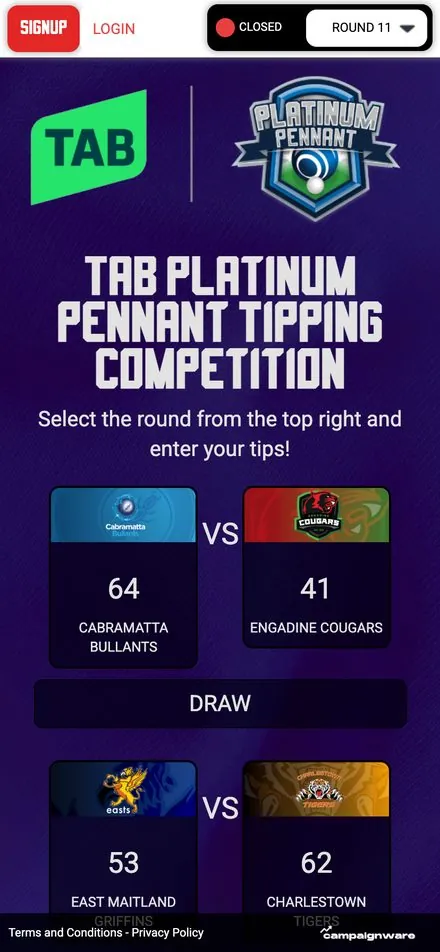
Examples include taking a quiz, filling in a survey, voting in a poll or uploading photos. Because you can build data capture into the content itself, interactive content can grow your email list quickly. See the polling and voting template or the trivia template.
Take a café that turned its Special of the Week into an interactive poll. Followers voted for their preferred dish, then left their email to find out whether their choice had won and when the special would be available.
When email capture is part of the experience, people give you direct permission to market to them as they take part. That's consented data, and Campaignware's data collection is GDPR compliant.
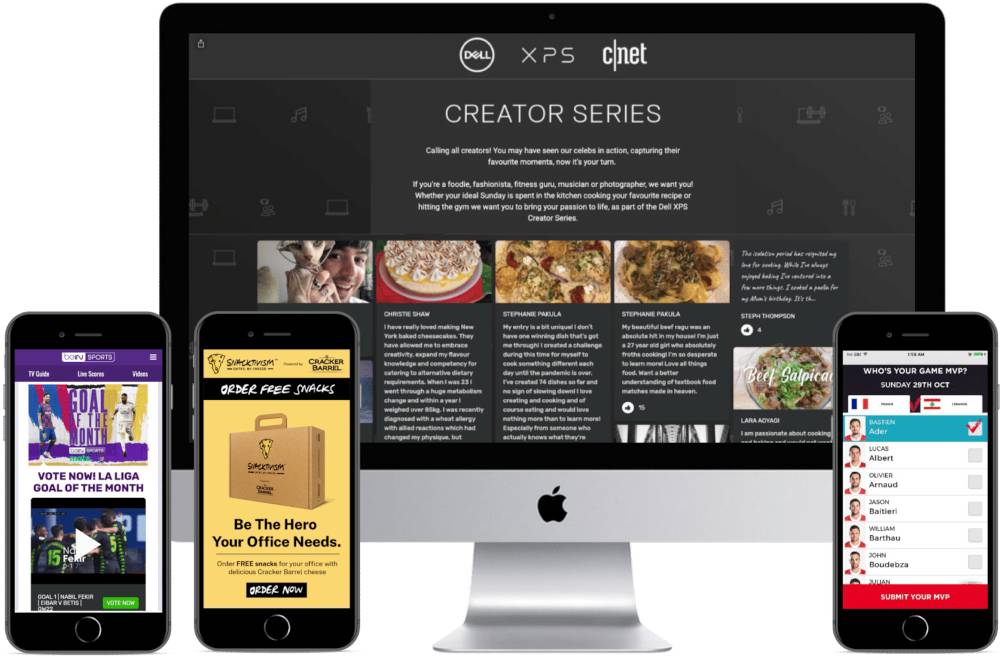
Clubs use the same approach. St George Illawarra Dragons use Campaignware to turn social followers into known email contacts. Read the Dragons case study.
“If we didn't have Campaignware, we wouldn't have a tool to run digital fan engagement like this. It's given us another arm, outside of just posting on socials, to create meaningful interactions and then continue the conversation by collecting data.” Emily Cheyne, Head of Marketing & Insights, St George Illawarra Dragons
Prioritise owned channels over rented space
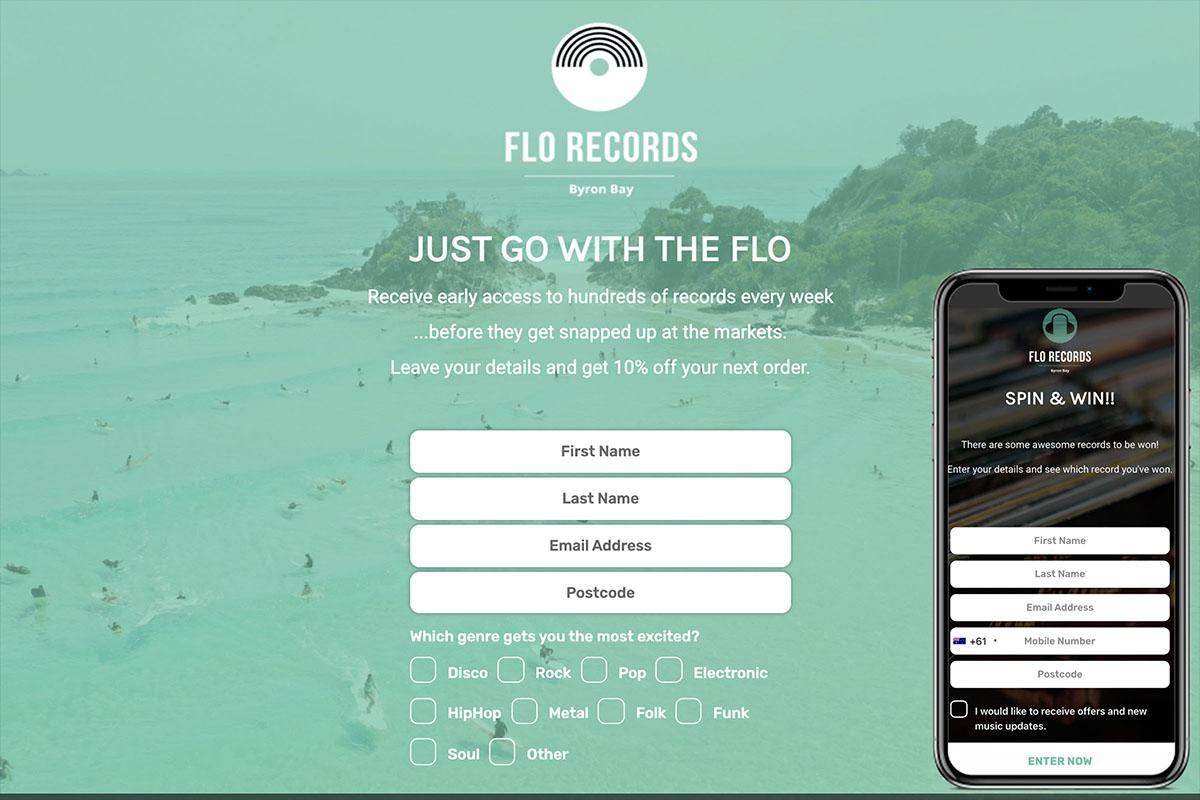
Gary Ashton took control of his data from day one when he launched Flo Records, a retail start-up selling vinyl records.
“We set up a data capture landing page prior to building out a full website. We used a QR code at the point-of-sale and were able to grow our mailing list quickly with very little work.” Gary Ashton, Owner, Flo Records
Flo Records built its email list alongside its social audience and saw an immediate return by connecting interactive content to email automation. New customers were instantly sent a list of records only available online, reaching them at a moment of buying intent with a sales message that felt like value.
Flo Records still uses social to grow the top of its funnel, but it needs that work to go further.
“We are a very small team trying to do our retail startup differently and Campaignware has helped us continue to grow.” Gary Ashton, Owner, Flo Records
Gary was able to spend more time creating sales-driven email content, which led to thousands of dollars of new revenue. The main goal, though, was to bring something new to a traditional retail experience and improve the customer journey.
“Our new customers got a much better experience with an instant follow up.” Gary Ashton, Owner, Flo Records
Four steps to start converting your followers
- Pick a goal. Choose one that suits your organic social followers and doesn't depend on advertising. Converting your social audience into an email list is a good one to start with.
- Brainstorm content your followers will engage with. If you're stuck, run a quick poll to ask them, or browse Campaignware's templates for ideas.
- Make data capture an authentic part of the campaign. Don't make it an ultimatum where followers can only see the content if they hand over their details. That's a recipe for poor conversion rates.
- Experiment. Build, test and learn, then run the next campaign.
How to run it with Campaignware
- Pick a template, such as a poll, quiz, competition or photo upload.
- Put it in your brand, with your logos, colours and fonts. Most campaigns go live in under an hour.
- Set prizes and terms, and decide what you'll ask for on the entry form.
- Share it in your social posts and bio links, by QR code at the point of sale and by email.
- Collect consented data and send it to your CRM or email tool, where it can trigger an instant follow-up email.
For sports organisations, our complete fan engagement guide for sports marketing shows how this fits into a season-long plan. To understand the data you're collecting, read what zero-party data is.
Frequently asked questions
Why is organic reach on social media so hard to get?
Social networks use algorithms to decide which posts each person sees, and those rules change often. The networks also earn their money from advertising, so brands that want reliable reach are pushed to pay for it. That makes organic reach unpredictable, which is why many marketers use social to point people towards channels they own, such as an email list.
How do you convert social media followers into email subscribers?
Give followers something worth taking part in, then ask for their email as part of it. A poll, quiz, competition or photo upload works well, promoted through your posts, Stories and bio link. Let people engage first, explain what you'll send them, and follow up quickly so the first email feels like part of the experience rather than a cold sign-up.
What is the difference between owned and rented audiences?
A rented audience lives on a platform you don't control, such as your followers on a social network, where the algorithm decides who sees your posts. An owned audience is one you can contact directly, such as your email list or customer database. You can reach owned audiences whenever you choose, which makes them more valuable over time.
See how brands use Campaignware to grow a database they can market to.
Want to see how this would work for you? Book a demo, or talk through your project with our team.