

















First-party data Own your audience, don't rent it.
Social platforms decide who sees your posts, then charge you to reach your own followers. Campaignware helps clubs, brands and agencies build a first-party database they own instead, through quizzes, competitions and votes people choose to enter. Live in minutes, and every entry is a contact you can reach directly, as often as you like.
Used by


Rented reach, or an audience you own.
Social media is a great place to be found, and an expensive place to keep an audience. Use it to find people, then give them a reason to join a database you own.
Rented: social reach
- The platform decides who sees your posts, and the rules keep changing
- Reaching your own followers increasingly means paying for it
- Their details stay with the platform, not with you
- If a platform falls out of favour, your audience goes with it
Owned: your database
- You decide who hears from you, and when
- Reach people through your own email, app or CRM, as often as you like
- Names, consent and preferences sit in your own CRM
- Your audience stays with you, whatever happens to any platform
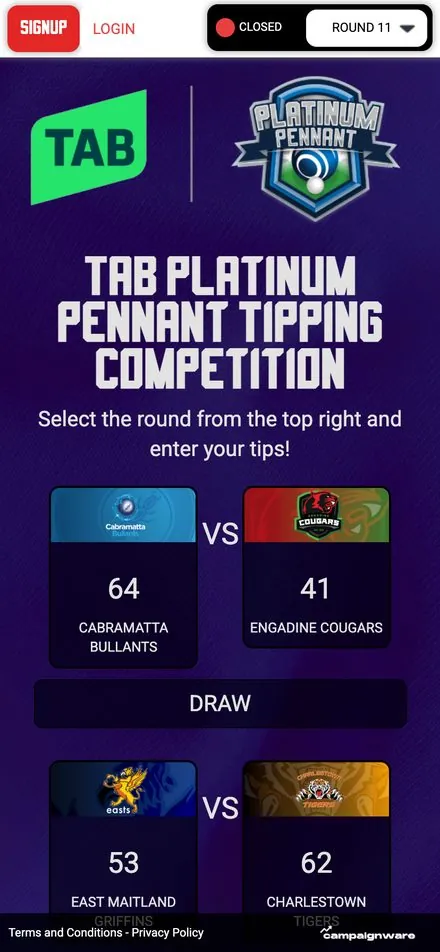
Wests Tigers promoted one competition on organic social only. Half of the entrants were people the club had never had contact with before, and every one of them is now in the club's database.
Live in four steps, no developers needed.
A typical campaign takes 20 to 40 minutes to build, in your brand, without developers or designers.
- Step 1
Pick a template
Pick a template. Each one is proven with real clients.
- Step 2
Make it yours
Add your brand, prizes and entry form in our campaign builder.
- Step 3
Share it with your audience
Publish it on your site or app, in an email, on social or on a QR code at a venue or in store.
- Step 4
Own the data
Every entry adds a consented contact to your database, ready for your CRM and your next campaign.
Every entry is a contact you own.
- Consent on every entry Every contact comes with GDPR-compliant consent, in wording you set for each campaign, so you can market to them with confidence.
- Zero-party data, asked for Add a question or two to the entry form, like a favourite product, team or postcode, and learn what people choose to tell you.
- Straight into your CRM Entries go to HubSpot, Salesforce, Braze, Klaviyo and more as people submit. Webhooks send them to any tool that accepts them, and Zapier connects over 2,000 apps.
- Less spend on boosted posts Reach the people in your database directly, instead of paying a platform to show your posts to your own followers.
- Collect it anywhere Run campaigns on your site or app, a link in bio, or a QR code at a venue, on pack or in store.
- Results you can show See impressions, unique users, clicks and completion rates for every campaign.
See what our clients have built.
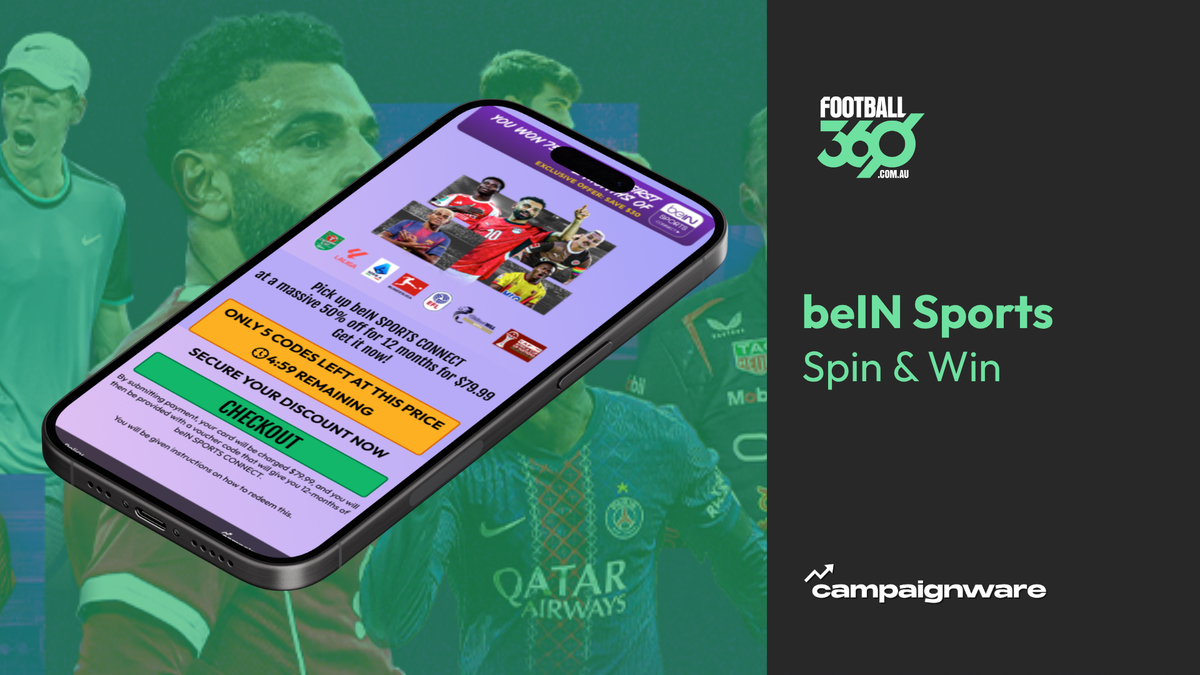
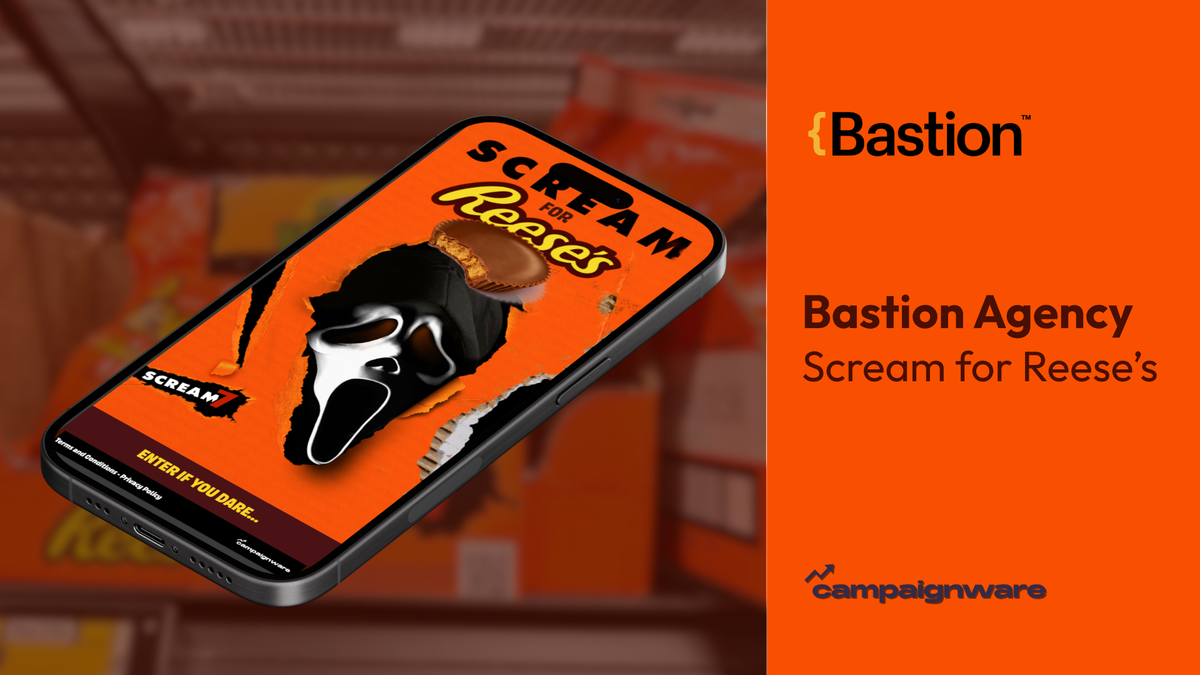
Built into every campaign.
- Your branding, colours and fonts
- Consent captured on every entry, GDPR compliant
- Synced to HubSpot, Salesforce, Braze, Klaviyo and more
- Runs on your site, your app, a link in bio or a QR code
- Per-campaign reporting while it runs
- Available in 16+ languages
- Add your own marketing and tracking scripts (such as Google Analytics and Meta Pixels)
Need extra help, or something custom?
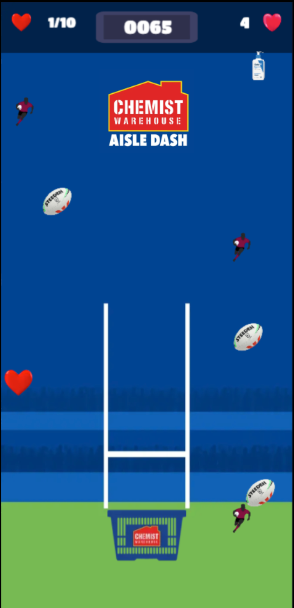
Brief us on a project and we'll come back with a project price, based on your brief. Campaignware Studio builds what templates can't, including branded minigames, and Copilot can take on your creative and reporting.
Your questions, answered
What is first-party data?
First-party data is information you collect directly from your own audience, with their consent, such as email addresses, preferences and the campaigns they've entered. It belongs to you, not a social platform or a data broker, so you can use it to market to people directly.
What's the difference between first-party and zero-party data?
Zero-party data is the part people share with you on purpose, like their favourite team or product, or their answers in a quiz. First-party data also covers what you observe, such as which campaigns someone entered and when. Campaignware captures both with every entry.
Why is first-party data better than social media reach?
Social platforms control who sees your posts and change the rules often, so reaching your own followers increasingly means paying for it. First-party data is a direct line you own: you can email or message the people in it whenever you need to, at no extra cost, and it stays with you whatever happens to any platform. Use social to find people, then bring them into your database.
How do you collect first-party data with consent?
Give people a reason to share it. A quiz, competition, predictor or vote people want to enter asks for their details and consent in the entry form, in wording you set. Campaigns run on your site or app, a link in bio, or a QR code at a venue, on pack or in store.
Is the data GDPR compliant?
Yes. Every entry is captured with GDPR-compliant consent, and the data is encrypted in transit and at rest. You set the consent wording for each campaign, and you can add a separate opt-in for a sponsor or partner.
Where does the data go?
Wherever you need it. Entries go to HubSpot, Salesforce, Braze, Klaviyo and more as people submit. Webhooks send them to any other tool that accepts them, Zapier connects over 2,000 apps, and you can export them too. Wests Tigers sent the entries from a club competition straight into Salesforce.
Who owns the data?
The data is yours. You can export it or add it to your own marketing tools at any time, and you set the consent wording for each campaign.
How quickly can we start?
A typical campaign takes 20 to 40 minutes to build from a template, in your brand, without developers or designers. If you'd rather we built it, Campaignware Studio can.
See it with your own campaign.
Book a demo. Bring your next campaign and leave with an idea to grow your database.