What is a Vanity URL? The Complete Guide to Branded Links
%20(4).png)
You see them everywhere. In Instagram bios, on subway posters, and at the end of podcast episodes. They look clean, professional, and easy to remember. We call these vanity URLs.
While the name might suggest they are just for show, these links are actually powerful tools for your marketing. If you want to build trust and get more people to click on your content, understanding how to use vanity URLs is vital.
Key Tips for Choosing Your Vanity URL
If you are in a hurry, follow these simple rules to create a link that works:
- Keep it short. Aim for under 15 characters.
- Make it readable. Avoid using strings of numbers or random symbols.
- Use your brand name. This builds immediate trust with the user.
- Include a call to action. Use words like /join, /buy, or /save in the slug.
- Check the spelling. A typo in a vanity URL makes your brand look unprofessional.
Common Examples of Vanity URLs
To help you visualize the difference, here are a few ways brands use vanity URLs to replace long, technical links.
Standard Link: https://www.yourclothingbrand.com/collections/summer-sale-2024/items?id=987234&source=ig
Vanity URL: yourbrand.link
Standard Link: https://docs.google.com/forms/d/e/1FAIpQLSfD_X1.../viewform Vanity URL: survey.cpnk.link
Standard Link: https://itunes.apple.com/us/podcast/the-marketing-show/id123456789
Vanity URL: cpnl.ink/yourshow
Standard Link: https://yourwebsite.com/campaign/id123456789 Vanity URL: yourwebsitecampaign.com(aka. buying a custom domain for your campaign)
As you can see, the vanity version is much easier on the eyes. It tells the user exactly where they are going before they even click.
The Problem with Standard Links
Most web addresses are built for computers, not people. When you create a new page on a typical website, the URL often looks like a mess of letters, numbers, and parameters. It might look something like this: www.yourstore.com/products/index.php?category=72&id=99283.
This is a problem for three reasons. First, it is impossible to remember. If a customer sees that link on a billboard, they will never type it into their phone later. Second, it looks suspicious. In an era of online scams, people are wary of clicking on long, messy links that do not clearly state where they lead. Third, it takes up too much space. On platforms like X (formerly Twitter) or in a printed brochure, every character counts.
What is a Vanity URL?
A vanity URL is a custom web address that is designed to be easy for humans to read and remember. It usually takes one of two forms. It can be a completely custom domain, like nke.li for Nike. Or, it can be a clean "slug" at the end of a branded domain, such as campaignware.com/get-started.
Think of it as the digital version of a "vanity" license plate. Just as a custom plate tells people something about the driver, a vanity URL tells the audience exactly what they are about to click on. It replaces technical jargon with plain English.

Why Branding Your Links Matters
Trust is the currency of the internet. When a user sees a link that includes your brand name, they feel safer. Digital marketing experts often find that branded links can increase click-through rates by up to 34% compared to generic, unbranded short links.
When you use a tool like Campaign Link to manage your digital presence, you are not just shortening a link. You are putting your brand front and center. This consistency matters. If your social media profile, your emails, and your bio links all use the same branded language, you create a professional image that customers respect.
Improved Recall and Offline Use
Vanity URLs are essential for any marketing that happens in the real world. If you run a radio ad or print a flyer, you cannot expect people to scan a QR code every time. Sometimes, they just need to hear or see a URL and remember it for later.
A link like yourbrand.link/deal is easy to say over the air. It is easy to type. It sticks in the mind. This is why you hear podcasters use them so often. They know their audience is driving or working out, and a short, catchy link is the only way to get a visit.
How to Create a Vanity URL with Campaign Link
Creating a vanity URL does not require a degree in web development. In fact, modern tools make the process quite simple. Here is how we recommend approaching it:
Step 1: Define Your Goal
Before you create a link, know what you want it to do. Are you sending people to a signup page? A seasonal sale? A digital business card? If your goal is to grow your email list, your slug should reflect that with something like /join or /newsletter. Clear goals lead to clear links.
Step 2: Use Campaign Link Templates
Campaign Link offers various templates that are perfect for vanity URLs. If you are a creator, you might use a "Link in Bio" template. This allows you to have one permanent vanity URL in your social profile that leads to a beautiful, organized landing page. Instead of changing your Instagram link every day, you just update the buttons inside your Campaign Link dashboard.
Step 3: Set Your Slug
This is the part of the URL that comes after the slash. Make it descriptive. If you are promoting a summer sale, /summer-sale is much better than /offer1. Using keywords in your slug can also help with search engine visibility for that specific landing page. It helps the user understand the context of the link.

Step 4: Add Tracking
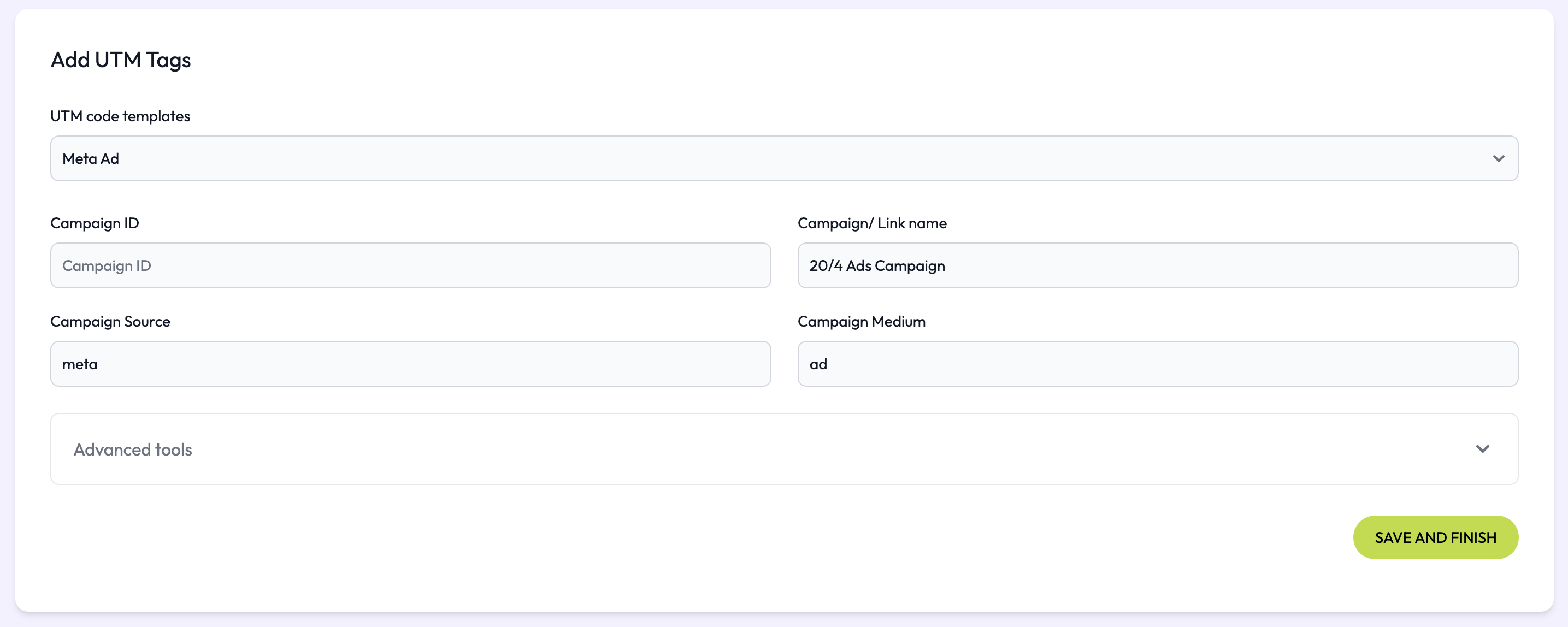
One of the best features of using a professional link manager is the data. When you create a link through Campaign Link, you can attach UTM parameters. This tells you exactly where your traffic is coming from. You can see if more people are clicking from your Instagram bio or your email signature. This data is vital for deciding where to spend your marketing budget and how to adjust your content.
The Psychological Impact of Custom Links
There is a psychological element to why vanity URLs work. When a user sees a generic link, their brain perceives it as a "bridge" to an unknown destination. There is a micro-moment of hesitation. However, when the link is branded, that bridge feels like it belongs to your brand's ecosystem.
This reduces what we call "click friction." By removing the doubt about where the link leads, you make it easier for the user to take the next step. In a world where attention spans are measured in seconds, removing even a tiny bit of friction can lead to a significant boost in conversions.
Real World Results
We often see businesses transform their engagement rates just by cleaning up their links. For example, a local gym might use a messy Google Forms link for class signups. By switching to a vanity URL like gym.link/sign-up, they often see a double-digit increase in registrations.
The reason is simple. The vanity URL makes the signup process feel like a part of the official brand experience rather than a third-party afterthought. It feels premium and secure. This shift in perception is often the difference between a bounced visitor and a new customer.
Lessons Learned: Common Mistakes to Avoid
In our experience, there are a few pitfalls that can ruin the effectiveness of a vanity URL.
Using too many hyphens. While your-brand-new-deal-here.com is readable, it is annoying to type. Try to use as few characters as possible. If you must use a separator, one hyphen is usually enough.
Being too clever. A vanity URL should be clear, not a riddle. If people have to guess what the link means, they probably will not click it. Avoid inside jokes or obscure acronyms that only you understand.
Forgetting the mobile user. Most people will see your links on a phone. Ensure the destination page is mobile-responsive. Campaign Link templates are designed to look great on any device, which saves you the trouble of testing on multiple screens.
The Strategy of Link Management
A vanity URL is not a "set it and forget it" tool. It is part of a broader strategy. You should regularly review your link performance. Which slugs are getting the most clicks? Are people clicking more on links that use your brand name or links that focus on the benefit (like /save-money)?
By using a centralized platform, you can change the destination of your vanity URL without changing the link itself. If you have a link on a printed poster that says brand.link/promo, you can point that link to your Christmas sale in December and your Spring sale in March. This flexibility is what makes vanity URLs a smart investment for the long term. You never have to worry about dead links on old marketing materials again.
Summary
A vanity URL is more than just a shortcut. It is a bridge between your brand and your audience. It builds trust, improves your professional image, and provides you with the data you need to grow your business.
Whether you are building a digital business card or launching a global ad campaign, clean links are the foundation of digital success. If you are ready to take control of your links, exploring the templates and tracking features in Campaign Link is a great place to start.
Sources
- World Wide Web Consortium (W3C): Cool URIs don't change
- Nielsen Norman Group: https://www.google.com/search?q=https://saas-ui.dev/(https://www.nngroup.com/articles/url-as-ui/)
- HubSpot Blog: How to Use Branded Links to Drive More Traffic
- Google Search Central: https://www.google.com/search?q=https://www.suitefiles.com/guide/the-guide-to-folder-structures-best-practices-for-professional-service-firms-and-more/(https://developers.google.com/search/docs/crawling-indexing/url-structure)
.png)
%20(3).png)
%20(2).png)

Join for free and get early access and an unmissible special offer - no strings attached.